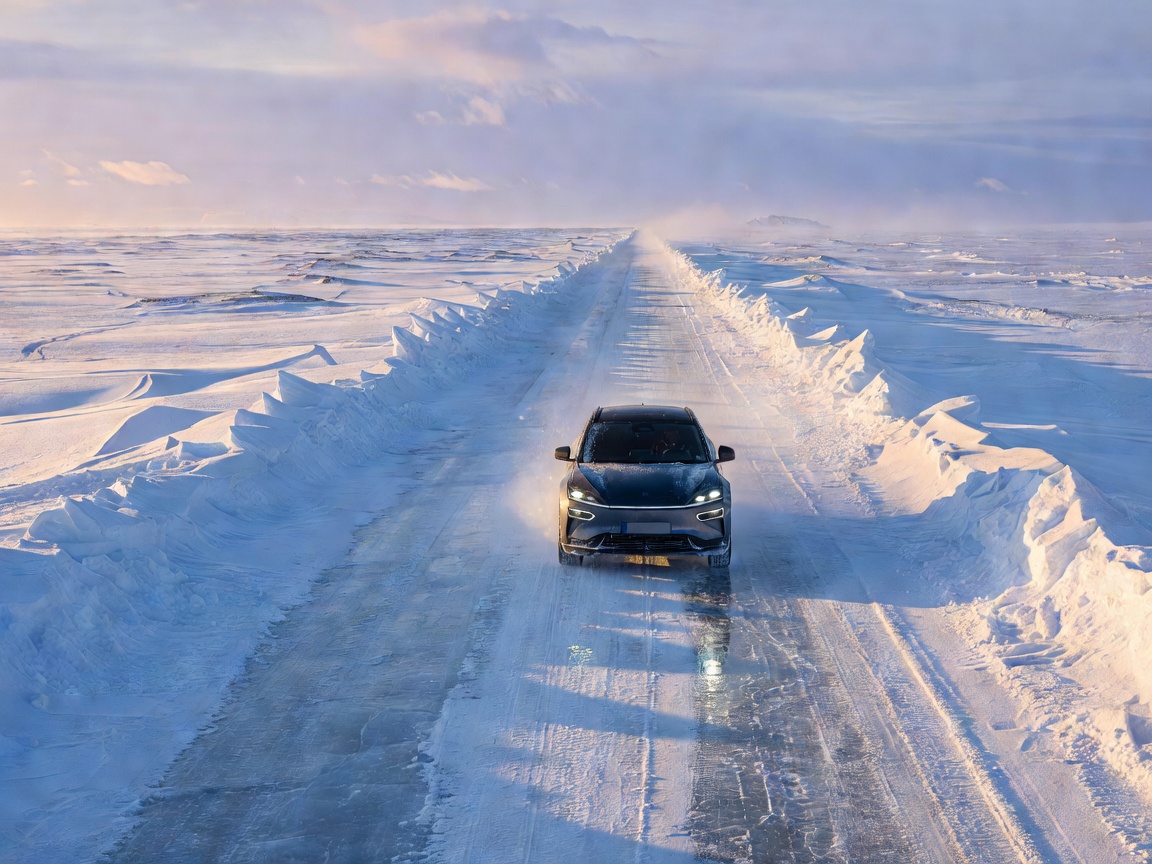
Electrochemical Mechanics in Sub-Zero Climates
Lithium-ion cells experience increased internal electrolyte viscosity at low temperatures. In temperatures between -5°C and -25°C, lithium-ion intercalation into graphite anodes slows dramatically. Attempting high-power DC fast-charging with a cold battery pack risks lithium plating on the anode, potentially causing irreversible degradation.
Vehicle battery management systems (BMS) automatically throttle charging current to safeguard cell integrity when core pack temperatures sit below 15°C. A vehicle rated for 200 kW peak DC input may draw as little as 25 kW to 40 kW if plugged in cold. En-route manual or automated navigation preconditioning is mandatory. Preconditioning warms the battery coolant loop using high-voltage PTC heaters or heat-pump reversals, bringing the cells to 25°C–35°C ahead of arrival.
Thermal Cabin Loads and Heat Pump Efficiency
Heating an automotive passenger cabin from -15°C to an interior target of 21°C draws substantial energy. Vehicles equipped with resistive Positive Temperature Coefficient (PTC) heating consume between 4.0 kW and 6.5 kW during initial warm-up, settling around 2.5 kW to 3.5 kW to maintain temperature.
Modern heat pump systems reduce steady-state consumption to 1.0 kW to 2.0 kW by extracting thermal energy from drive motors, inverters, and ambient air down to roughly -10°C. Below -15°C, heat pump coefficients of performance (COP) decline, forcing supplementary resistive heating. To optimize energy usage, drivers should utilize conductive heating elements (heated seats and heated steering wheel) and reduce cabin air heating targets to 18°C–19°C.
Tyre Mechanics, Slush Drag, and Aerodynamics
Winter range degradation does not stem solely from battery chemistry. Cold atmospheric air is denser than warm air, increasing aerodynamic drag by 8% to 12% at highway speeds. Furthermore, mandatory Nordic winter tyres (featuring soft rubber silica compounds and siping) exhibit 10% to 15% higher rolling resistance than summer performance tyres.
Accumulations of road slush and uncompacted snow introduce heavy rolling drag. Slush drag can elevate total consumption by 20% to 40% as wheels physically push through heavy snow sludge. In blizzard conditions, an EV rated at 18 kWh/100 km can see highway consumption climb past 28 kWh/100 km.
The "Cold-Soak" Phenomenon
When an electric vehicle sits unpowered overnight in -20°C temperatures, the battery mass eventually equilibrates to ambient temperature. This is termed a cold-soak. Starting a cold-soaked EV restricts regenerative braking entirely; regenerative energy cannot safely enter frozen cells.
Always complete your primary charging session immediately upon arrival at your evening waypoint while the battery pack retains driving heat. If connected to an overnight AC terminal, schedule departure preconditioning 30 minutes before leaving. This pulls pack warming current directly from the grid rather than depleting onboard storage.
Winter Protocols Checklist
- Precondition cabin and battery while plugged into mains AC power
- Set navigation to DC charging hub at least 35 minutes prior to arrival
- Inflate winter tyres by +0.2 to +0.3 bar to counteract cold pressure drops
- Maintain a minimum 25% safety reserve when departing into mountain passes
Critical Hazards
- Sudden loss of regenerative braking on slick ice surfaces
- Charging cables freezing to connector locks (carry de-icer spray)
- Frozen charging port doors (clear ice accumulation before locking vehicle)
- Blizzard closures forcing 2 to 4 hour emergency idle delays on high mountain plateaus